Sharing, learning and celebrating were at the heart of the REDI Conference 2026, where over 40 REDI fellows came together for the final time, in Barcelona and online. The conference provided an opportunity to look back and reflect on four years of research and growth, while also looking ahead and considering what’s next.
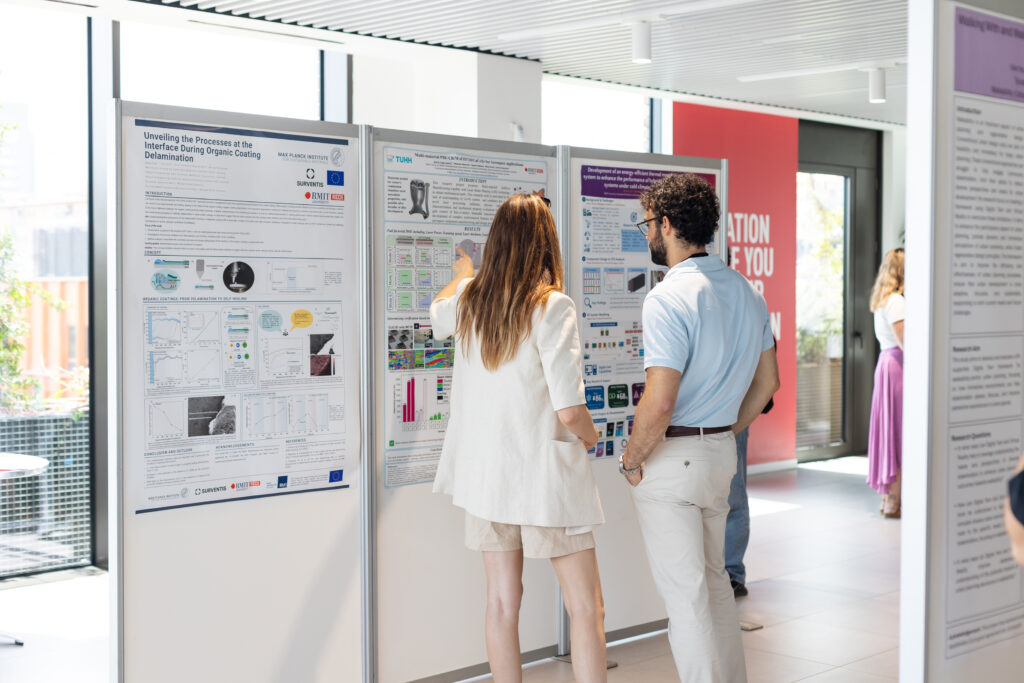
The REDI Conference (21-23 July 2026) provided an opportunity for REDI fellows to present their work and showcase the depth of research taking place within the REDI community, from preventing metal corrosion to the role of exhibitions to bring about social change. The Conference also highlighted how researchers in different fields and disciplines can come together to collaborate on increasingly complex global and local challenges.
From research to real-world change
The focus of day one was to showcase REDI research results and achievements through online presentations, poster sessions and two panel discussions.
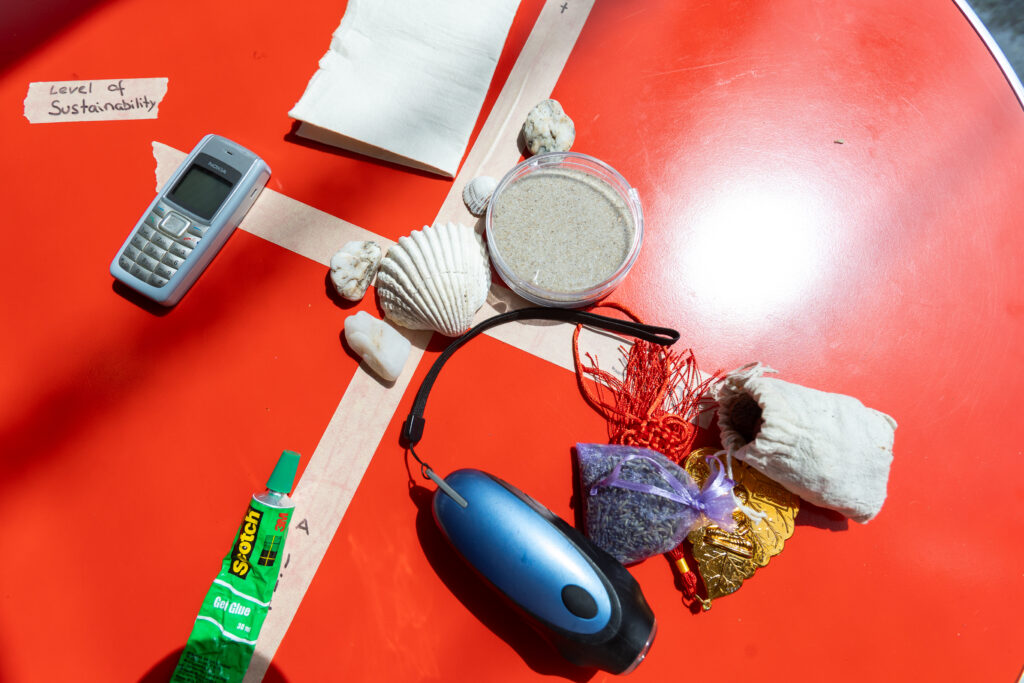
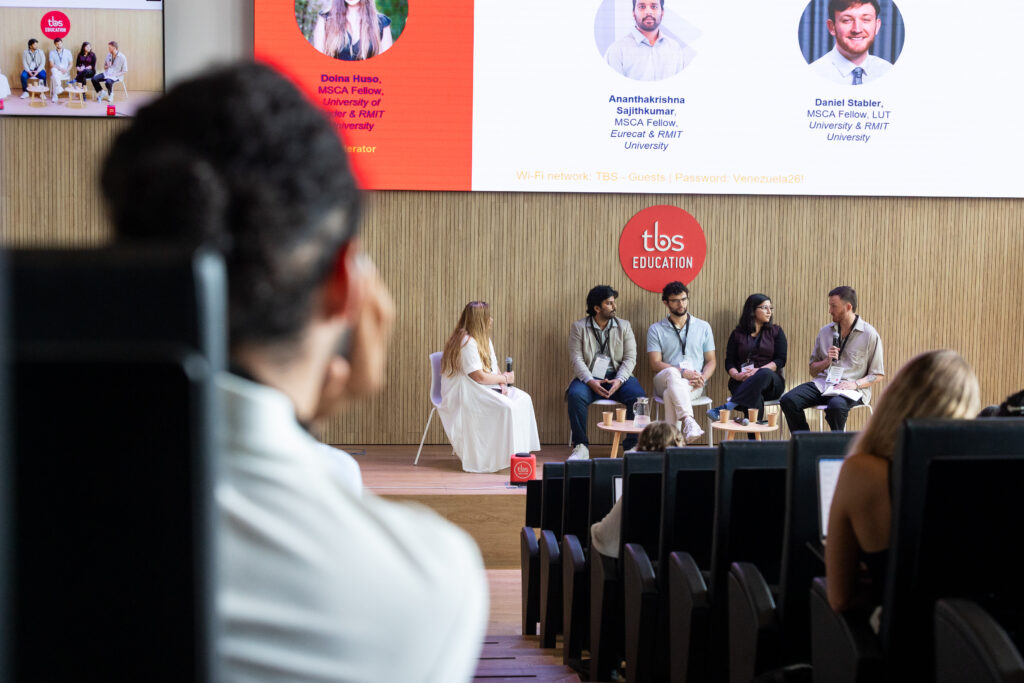
In the first panel, REDI researchers José Manuel Crego Lozares, Charu Negi, Ananthakrishna Sajithkumar and Daniel Stabler came together to reflect on how their research relates to the circular economy and climate adaptation, moderated by Doina Huso.
Despite coming from different fields – natural sciences, business and design – the REDI panellists observed a consistent connection between their research and the circular economy, regardless of discipline. They agreed that researchers have a responsibility to incorporate this perspective and rethink how resources can be reused.
The discussion also highlighted the need for greater transparency and collaboration between researchers, industry and organisations. José Manuel emphasised the importance of companies sharing knowledge, while Daniel stated that businesses and institutions need to be willing to collaborate and co-create solutions, especially as problems become increasingly interdisciplinary.
The panellists agreed that, apart from tackling these problems together, it is also important to rethink current consumption systems and consider how we can guide them towards systems centred around care and stewardship. Daniel mentioned that most EU policies are focused on green growth and wondered whether we should look at more radical and alternative ways of thinking, such as degrowth or post-growth.
Ultimately, the conversation highlighted that addressing climate and resource challenges requires more than just technological solutions. It calls for researchers and organisations to work across disciplines, share knowledge and rethink the current systems that shape how we use resources.
Rethinking what a liveable city means
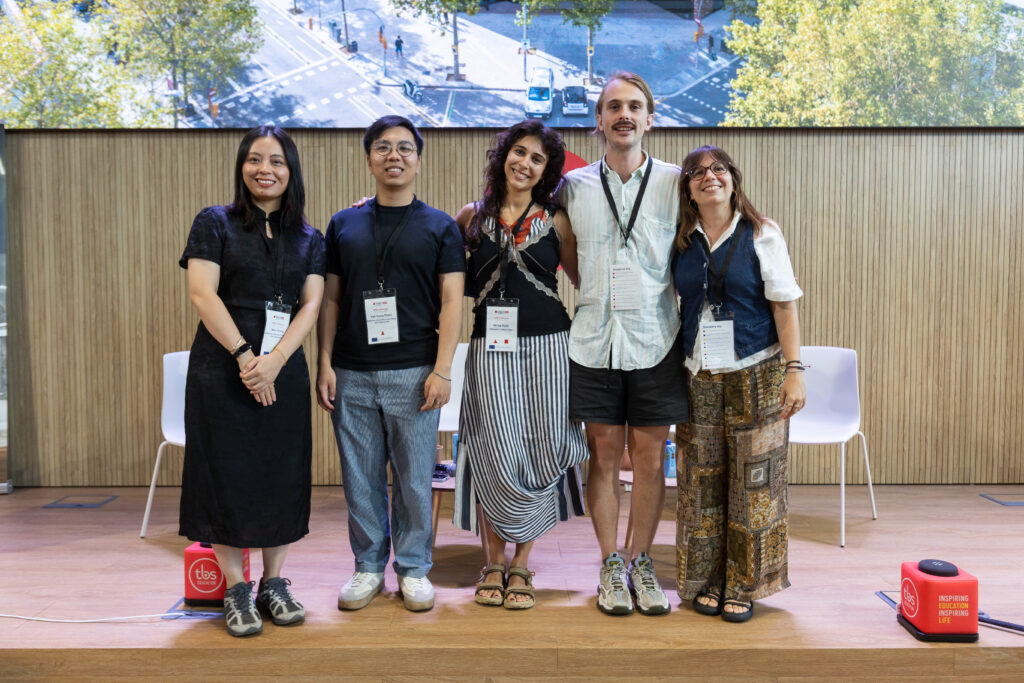
The theme of collaboration continued during a second panel on liveable and inclusive cities and communities, where REDI fellows Milica Božić, Björn Komander, Viet Hung Pham and Francesca Vanelli, explored how their work contributes to creating places where people from different backgrounds can live together, moderated by Yaxin Zheng. The panellists considered how these days, a liveable city is not just one in which people have a roof over their heads, but one with a much broader definition of what it means to live together, incorporating culture, identity, belonging and participation.
Milica described a liveable city as one “that can hold more than just one story”, highlighting the responsibility of researchers to create space for people to share their own stories. In her work, Milica sees her role as a mediator, providing a platform for people to do so.
The discussion extended beyond physical spaces, with Björn highlighting the importance of inclusive online communities and the need to involve many different perspectives when defining what makes a community liveable.
The panel reinforced that liveability is not only about the spaces we create, but also about who gets to shape them and feel a sense of belonging within them.
Life after REDI
Day two of the REDI Conference was hosted in collaboration with the Bridging Science and Business Working Group of the MCAA, the MCAA Spain-Portugal Chapter and ACCIÓ (L’Agència per a la Competitivitat de L’Empresa). Held as a PhD Career Day, REDI fellows explored the diverse career options that exist once the doctoral journey ends, both within and beyond academia.
This day featured discussions on opportunities and career paths beyond the PhD, from academic and postdoctoral research to careers in entrepreneurship, research translation or project management. Through presentations, Q&A sessions and panels with experts from various sectors, fellows had the opportunity to explore different paths after a PhD.
During the roundtable discussion on careers in research and academia, speakers Professor Michele Chiumenti, Professor Stephan Sigg and Dr Rosa Vilaplana shared their experiences and insights with the REDI fellows, with the session moderated by Daniel Stabler. The speakers encouraged fellows to take up opportunities to work internationally and across disciplines and sectors. Experiences such as short-term placements, postdoctoral positions and industry collaborations can not only broaden perspectives but also open up many unexpected career paths.
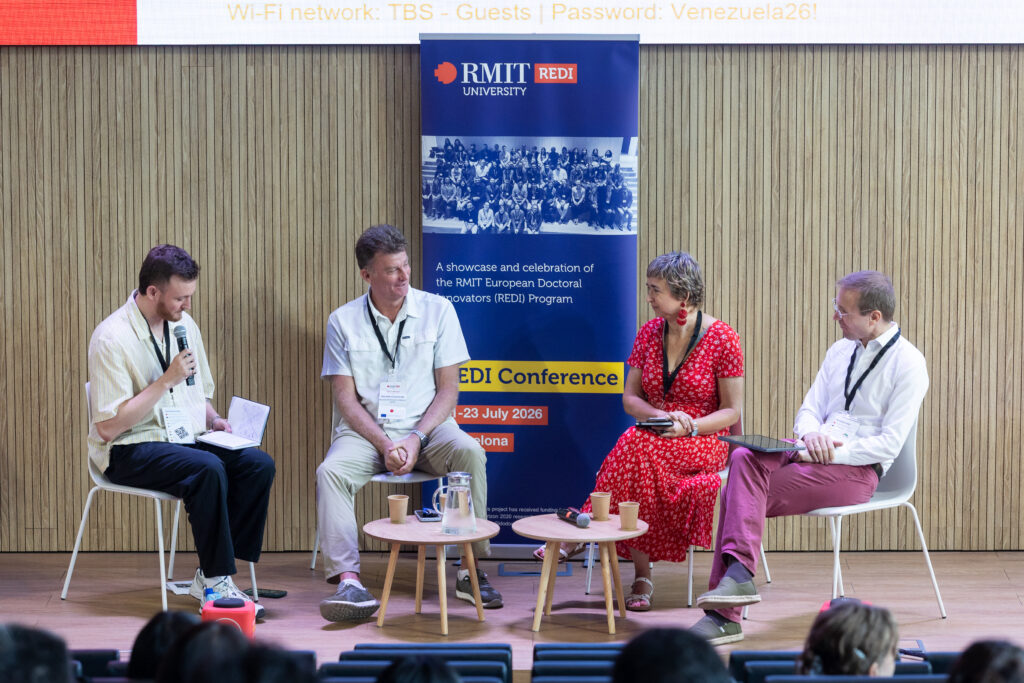
A recurring message throughout the day was that there is no single path after a PhD. Several speakers reflected that they could not have predicted where their careers would take them. As Dr Gabriela Irrazabal, research fellow at RMIT, put it: “If I had drawn a map of my career at the beginning, I would have drawn it wrong.”
Bringing REDI to a close
The final day of the Conference focused on providing REDI fellows with practical skills and insights for the next step in their careers. Through a CV writing workshop, fellows explored how to present their experience effectively, while discussions on AI in research invited reflection on the role of artificial intelligence in research and the importance of AI literacy.
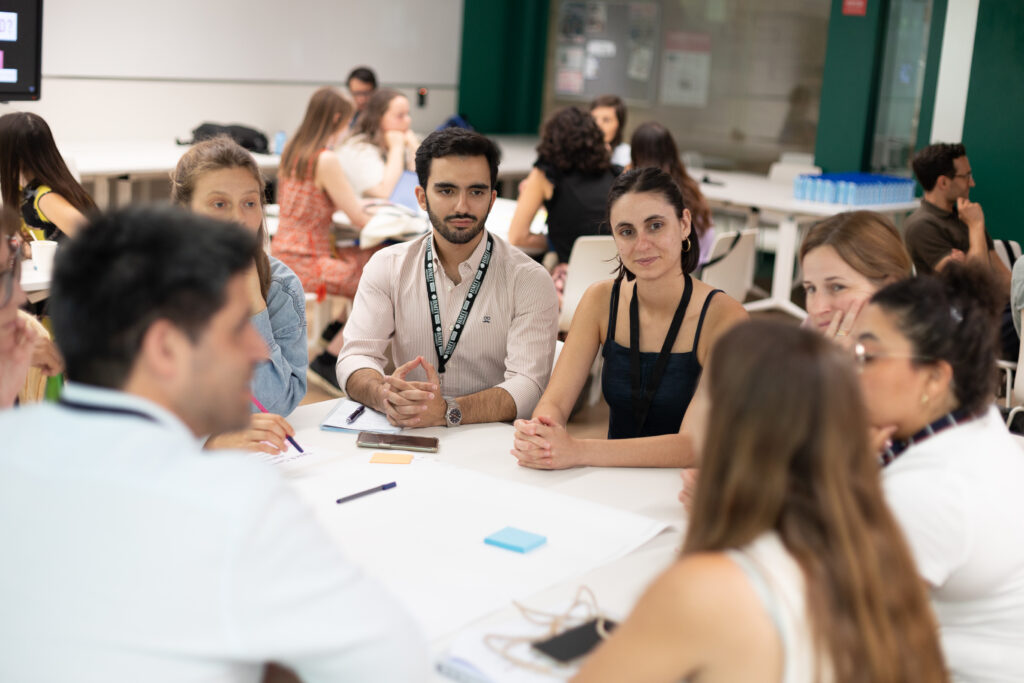
Day three concluded with a closing meeting, bringing together reflections from four years of REDI. A special thank you goes to Robyn Barnacle who guided the program throughout the Conference and to project manager Kinga Kónya, as well as the organising team for their work in bringing the event together and supporting the Fellows throughout these four years.
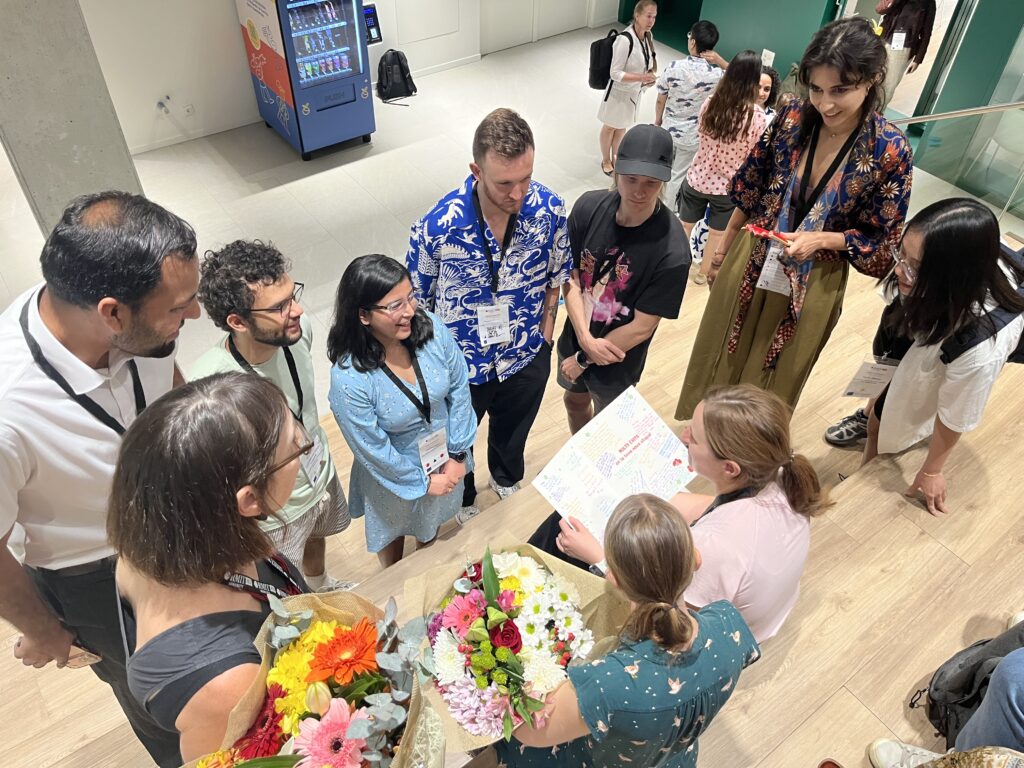
The final REDI Conference drew to a close after four years of events and gatherings of the REDI fellows and ultimately reinforced one of the key strengths of this community: that impactful research can happen through collaboration. By sharing knowledge, challenging assumptions and building connections across disciplines and sectors, REDI fellows are creating research that responds to todays and future challenges.