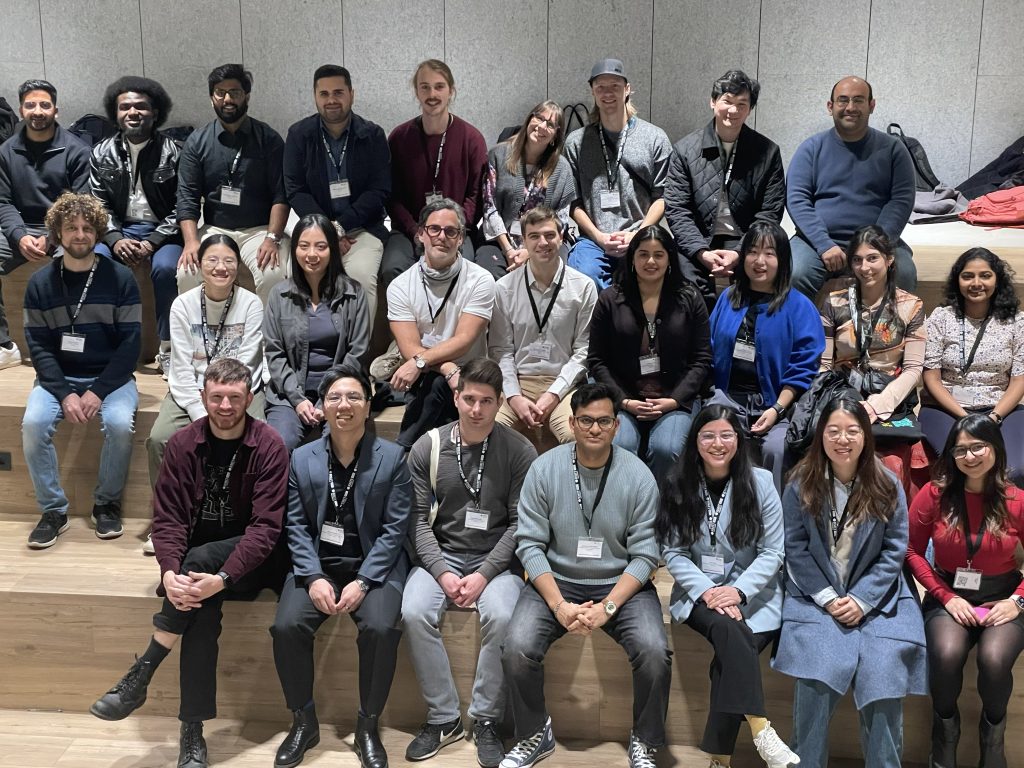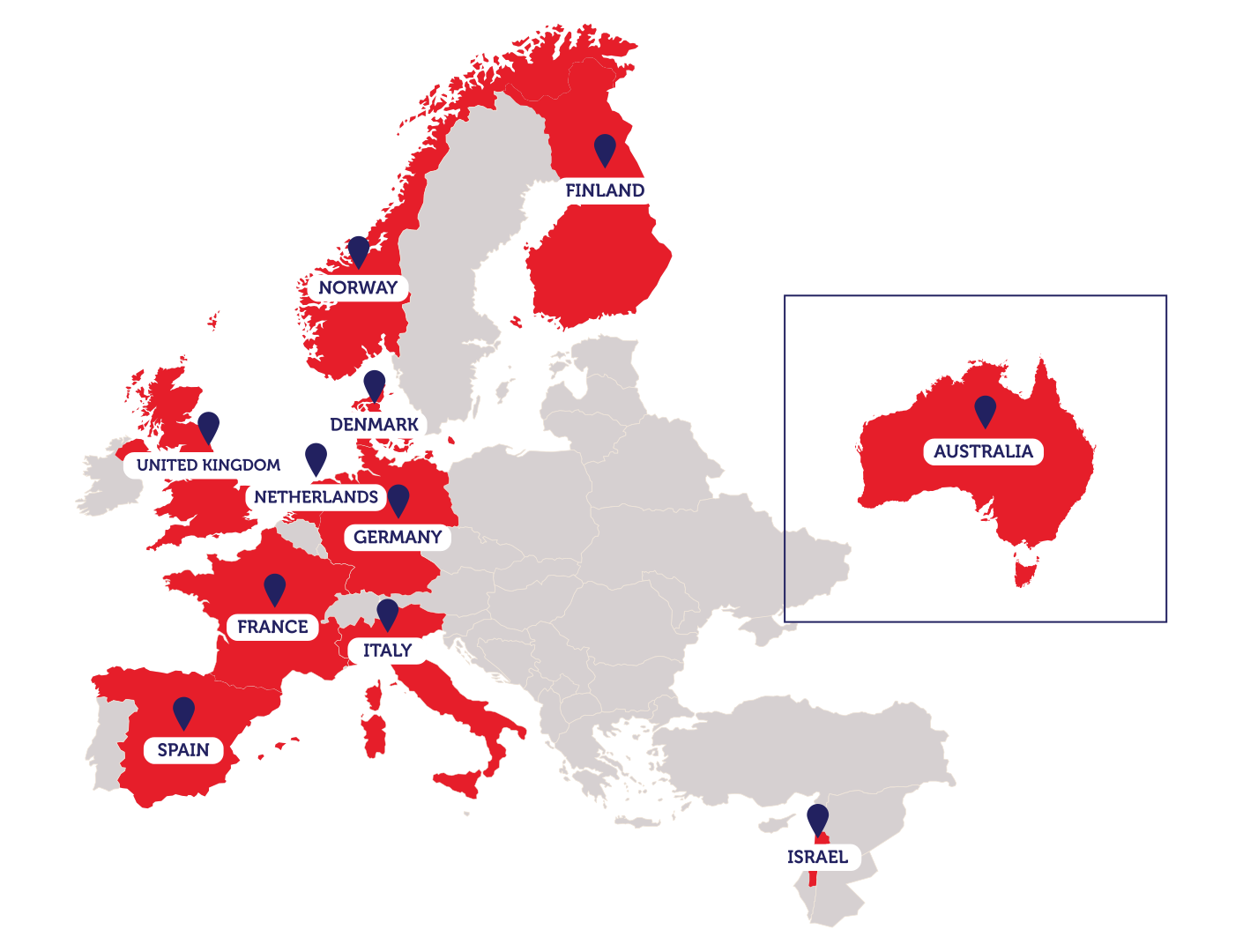
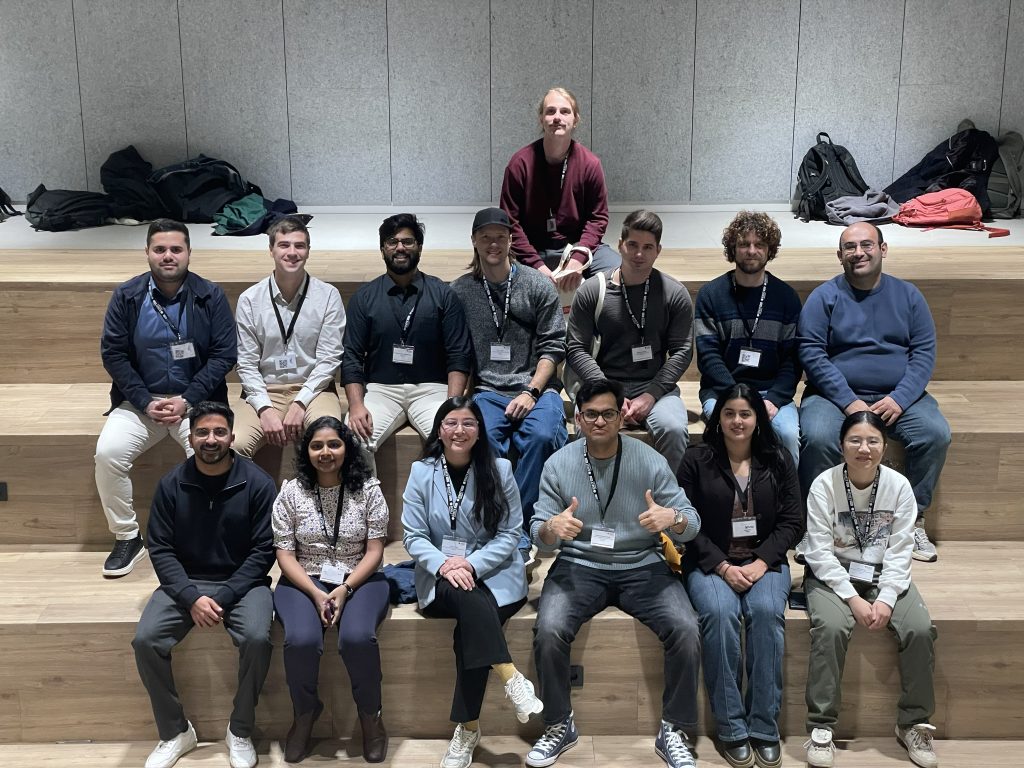
From 1 to 5 December 2025, the third annual REDI Symposium took place in Barcelona. Doctoral candidates gathered from around the world to share their research insights, participate in professional development workshops and catch up with their supervisors and fellow REDI researchers.
Monday: Preparing for the final examination
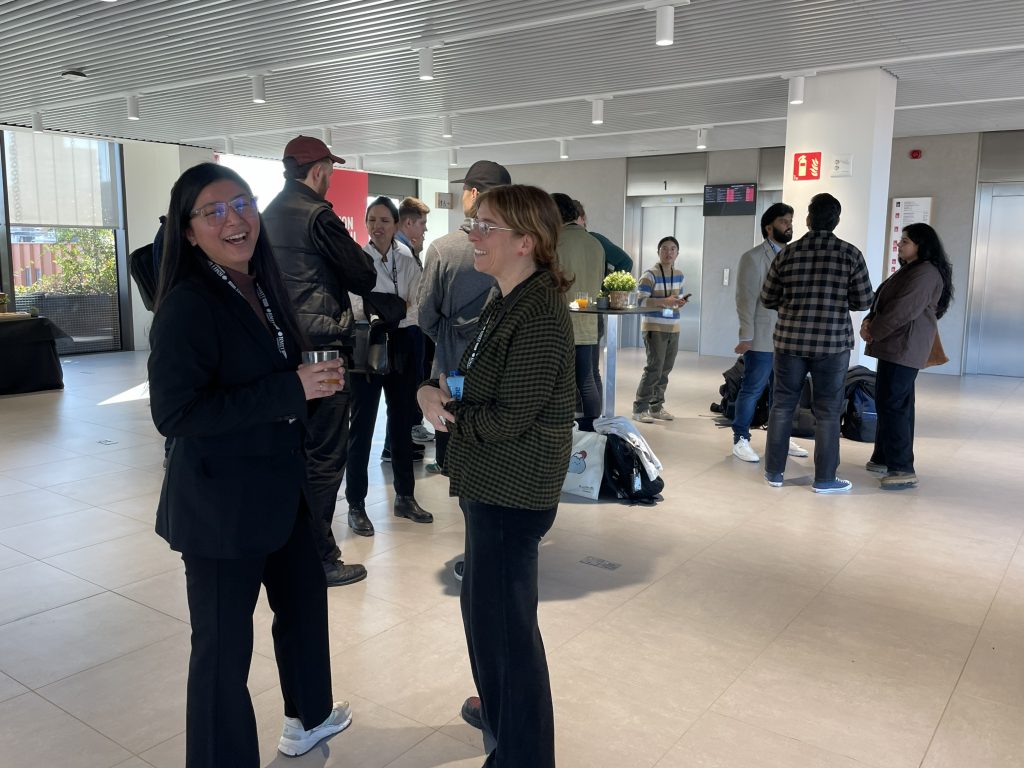
The 2025 REDI Symposium kicked off on Monday 1 December at Toulouse Business School (TBS) in Barcelona, where the REDI Management Team welcomed facilitators, speakers, supervisors and fellows. Participants enjoyed a warm welcome coffee to break the ice and reconnect after, in some cases, a year apart.
Monday’s sessions, opened by RMIT Europe Executive Director Dr Marta Fernandez, were focused on preparing for the final submission and defense of the PhD dissertation. After an overview of the week by REDI Project Manager Kinga Konya, Professor Robyn Barnacle from the School of Graduate Research at RMIT University facilitated her first of many sessions throughout the week. Robyn’s workshop focused on how to prepare for the final thesis examination.
Dana Chahal from the RMIT Library then led a session on thesis editing, focused on establishing a coherent research story and developing a logical scientific argument throughout the text. Participants then took a coffee break to snack and caffeinate.
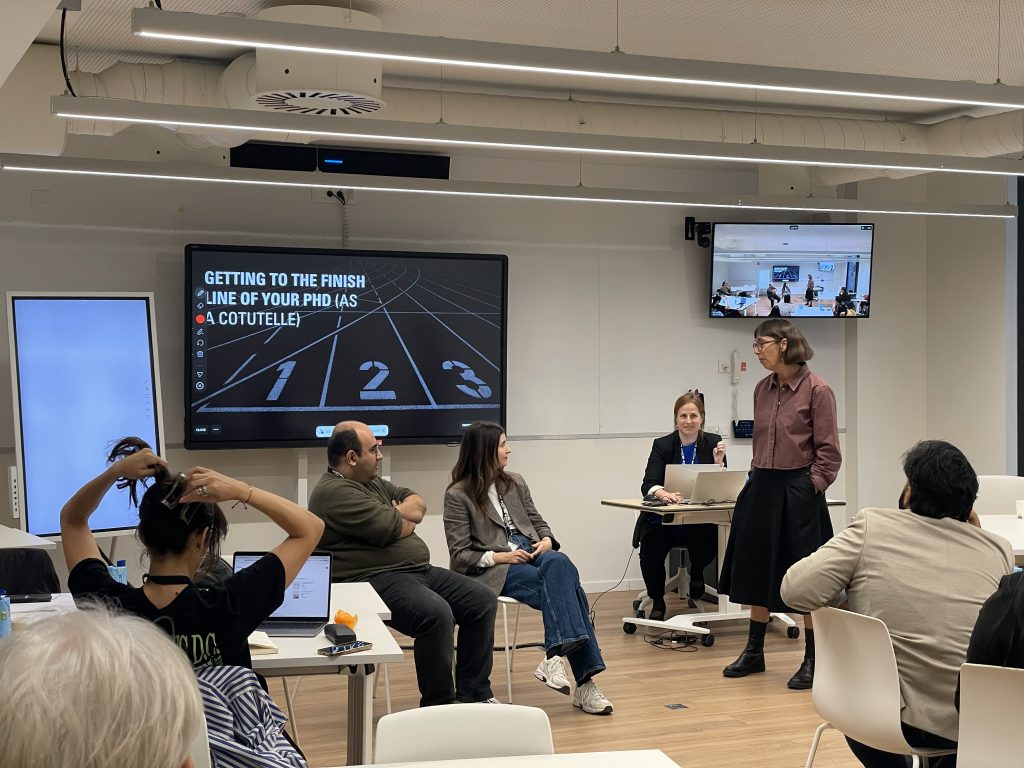
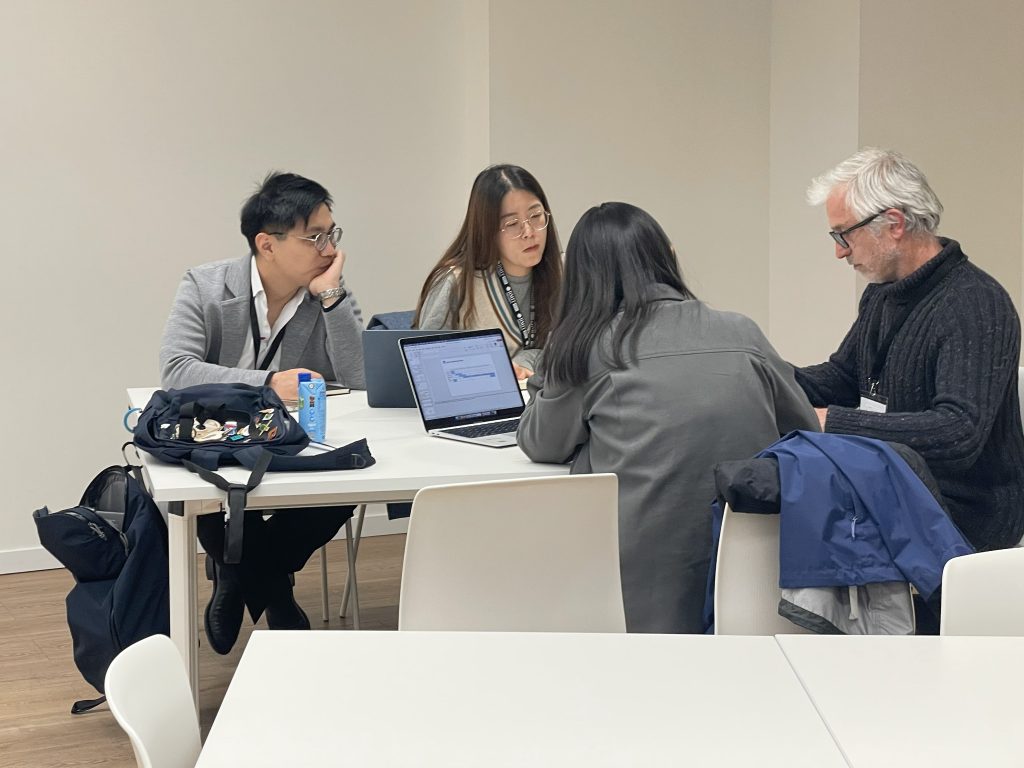
Later in the afternoon, Robyn and Professor Laurene Vaughan from RMIT University hosted a panel discussion on the examination process, including insight on best practices from REDI researcher Onurcan Kaya and former cotutelle candidate Dr Sophie Altrock. Fellows met in working groups with their supervisors to map out individual arrangements for the final examination, ensuring their success in the coming months.
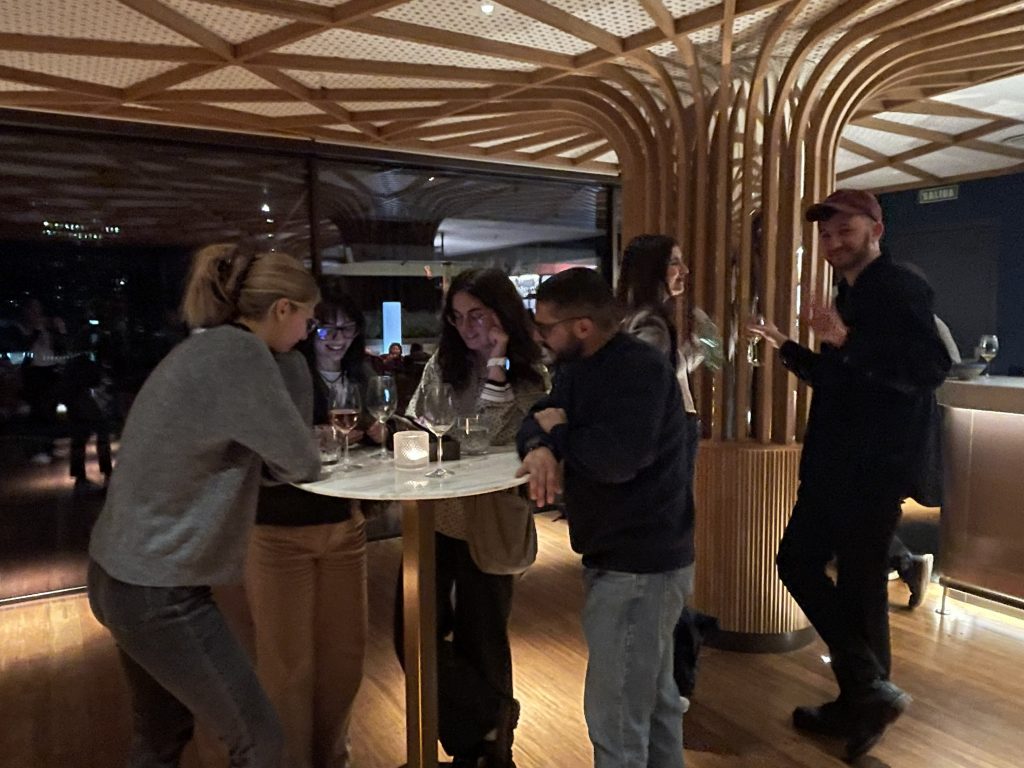
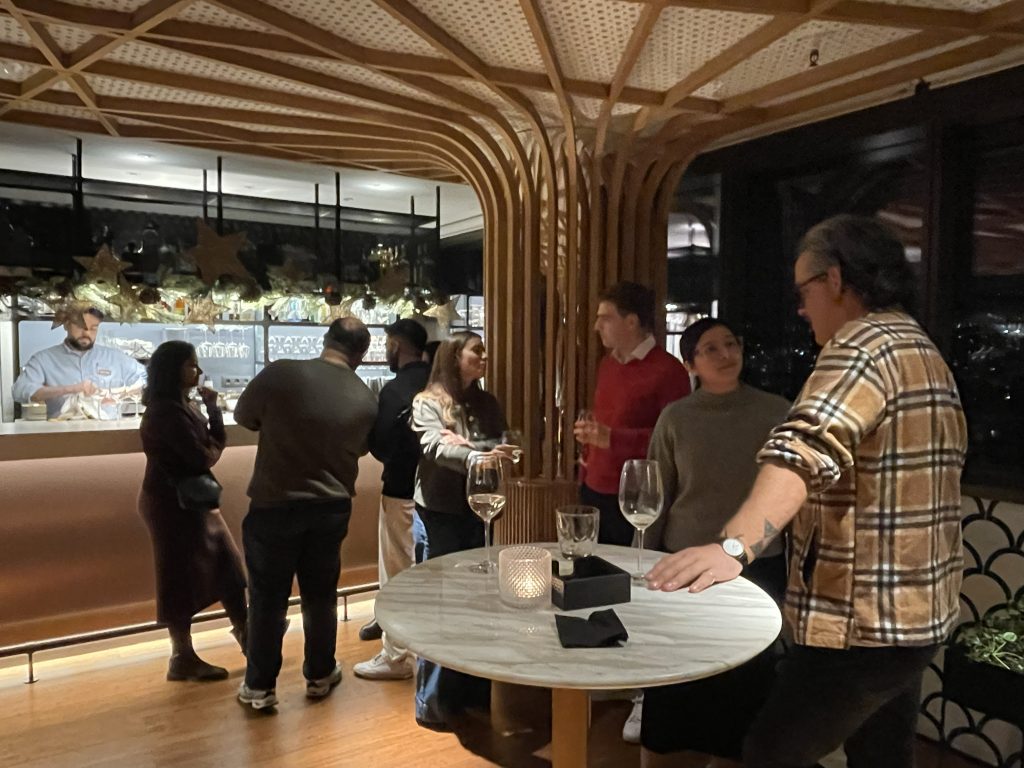
Monday’s activities ended with a networking dinner at Labtwentytwo in Barcelona’s 22@ Innovation District, where fellows, supervisors, facilitators and staff from RMIT Europe enjoyed a chance to catch up with one another, build connections and enjoy views of the city.
Tuesday: Grant writing
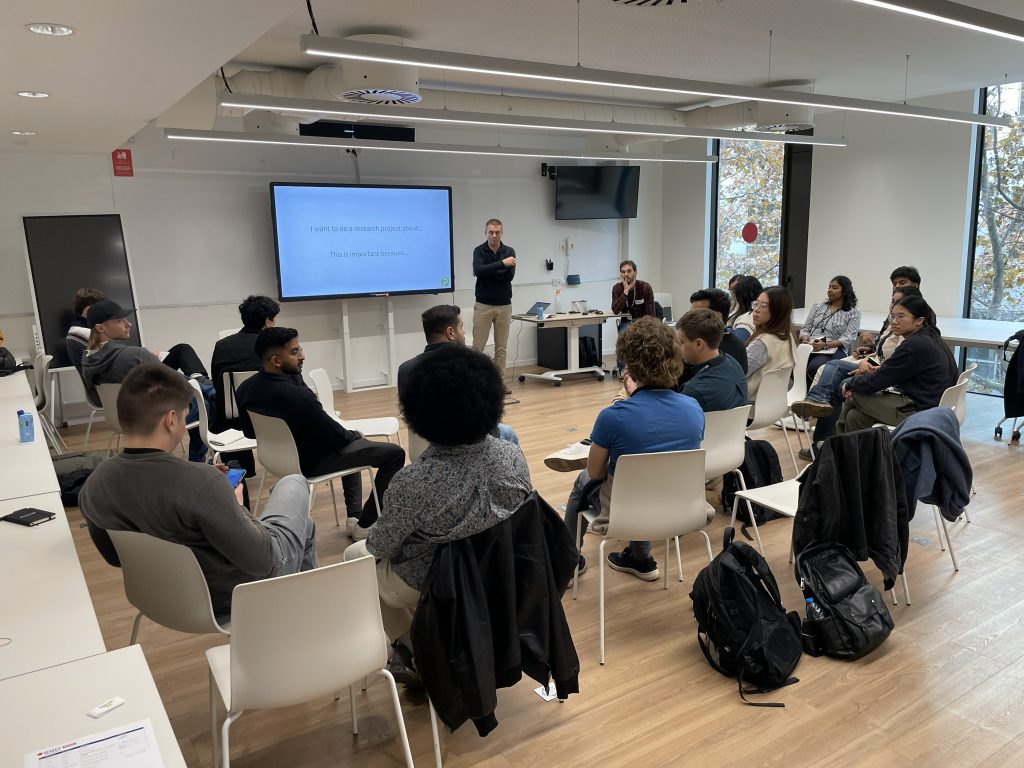
The second day of the Symposium was focused on grant writing, with facilitators Dr Gavin Lucas and Dr Marc Font from TPM Science providing guidance and advice to fellows. The sessions sought to help doctoral candidates identify and apply for funding opportunities to advance their research. Key messages included a focus on grant writing to not only create an effective text, but as a project management and communication task.
By the end of the session, participants acquired practical tools and concepts to facilitate the grant application process, giving them a competitive edge in the funding landscape.
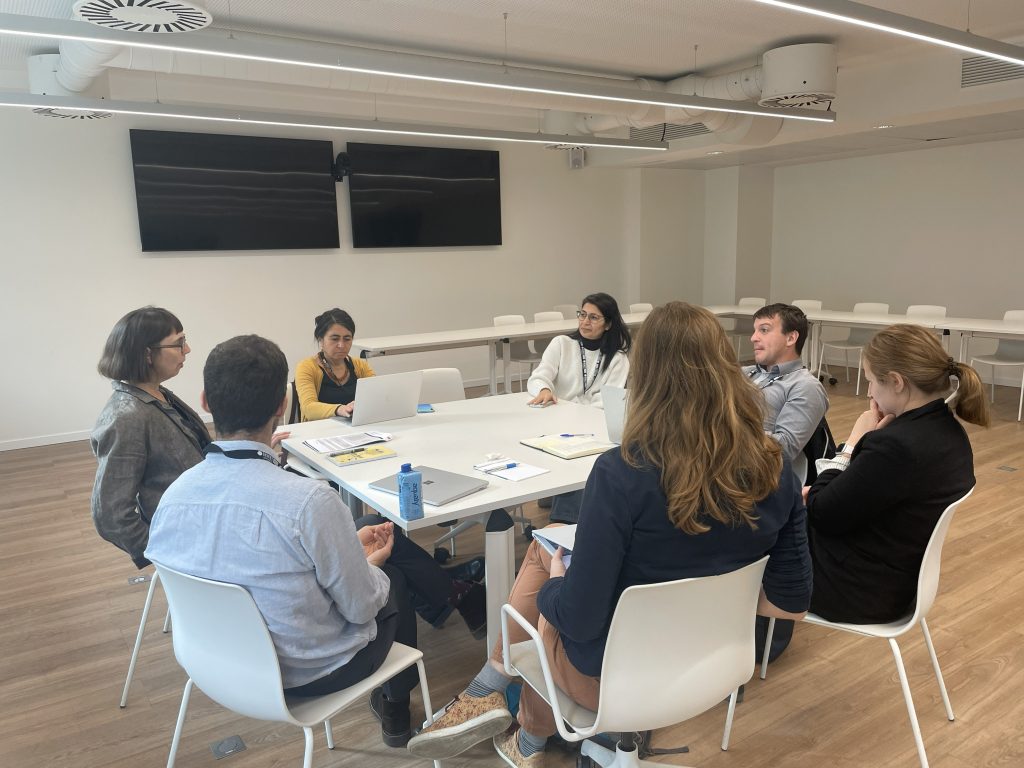
While REDI fellows participated in the day-long grant writing workshop, Laurene returned to gather supervisors for a workshop on the role of culture and cultural awareness in research.
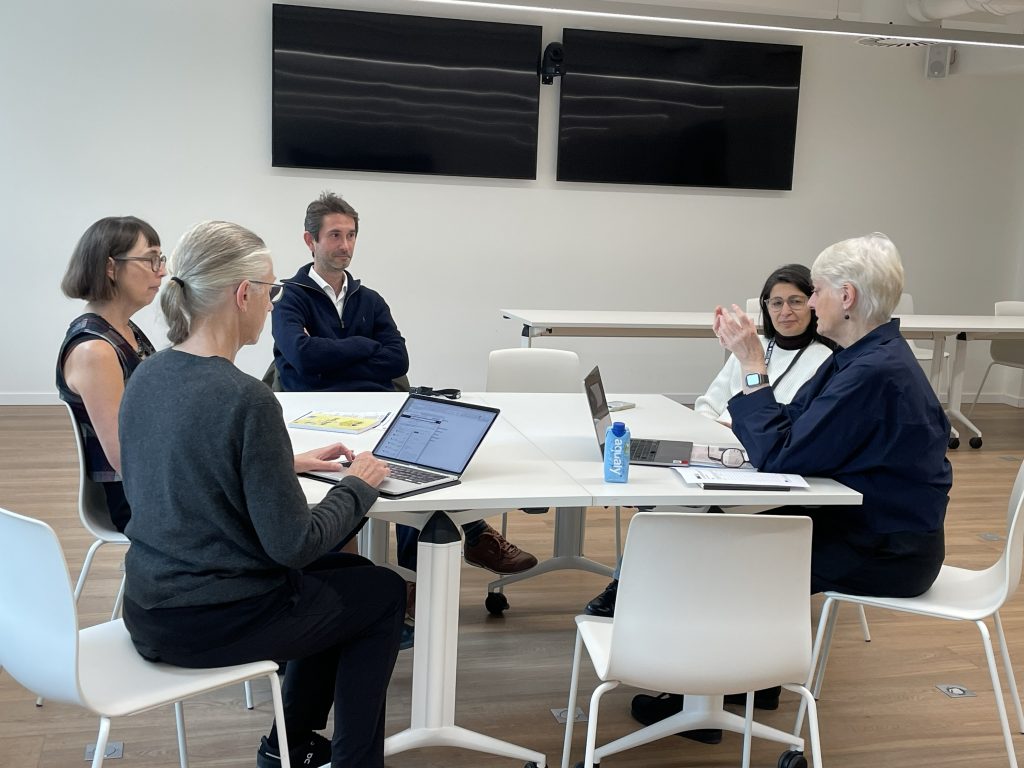
After Laurene’s session, supervisors reconvened for a discussion on future research collaboration opportunities, facilitated by RMIT Europe Research Fellows Dr Quentin Schmid, Dr Stefano Piccardo and Nevelina Pachova.
Wednesday: Conference presentation skills and AI for research
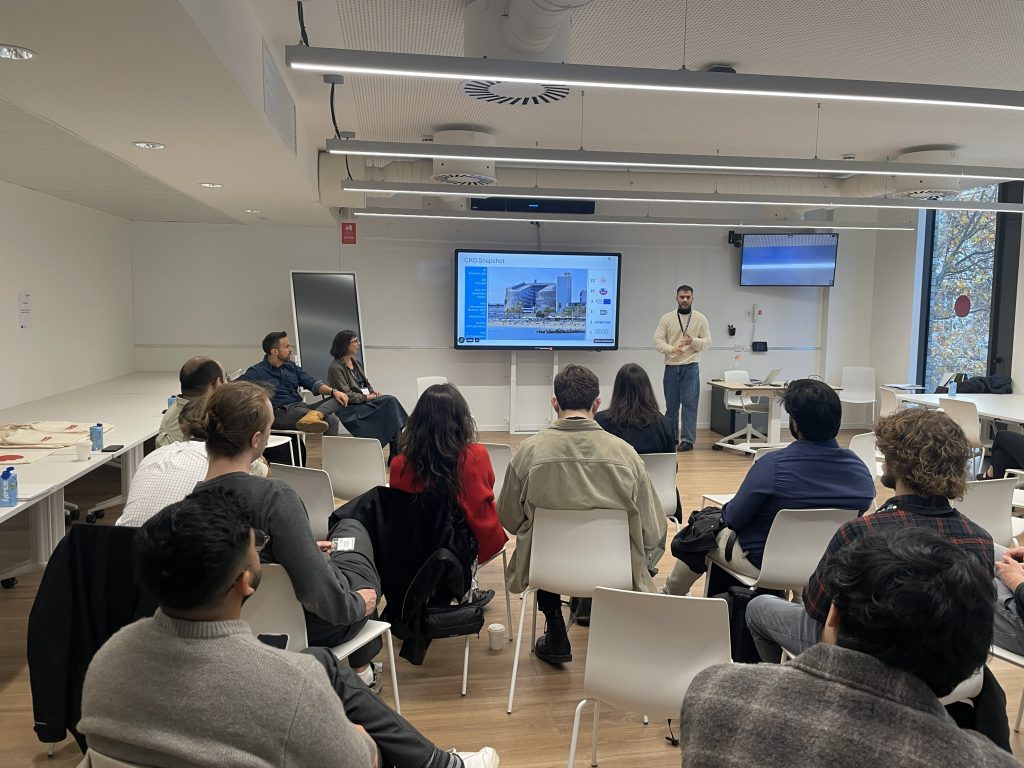
AI for research was the overarching theme on the third day of the REDI Symposium, with a roundtable discussion with researchers Dr Gloria Alvarez-Hernández, Dr Manuel Cebrián and Dr Daniel Scavello Mochi. Their presentations focused on themes like how to use AI responsibly in research and research training, the risks and limitations associated with using AI and strategies on how best to use generative AI tools critically and effectively.
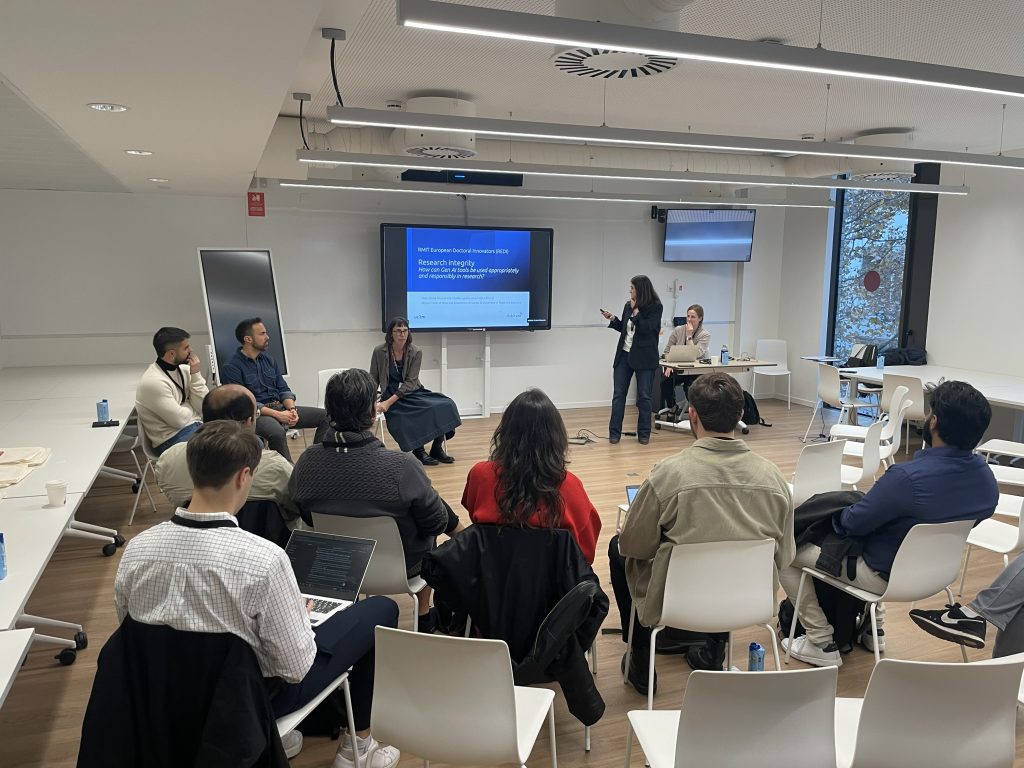
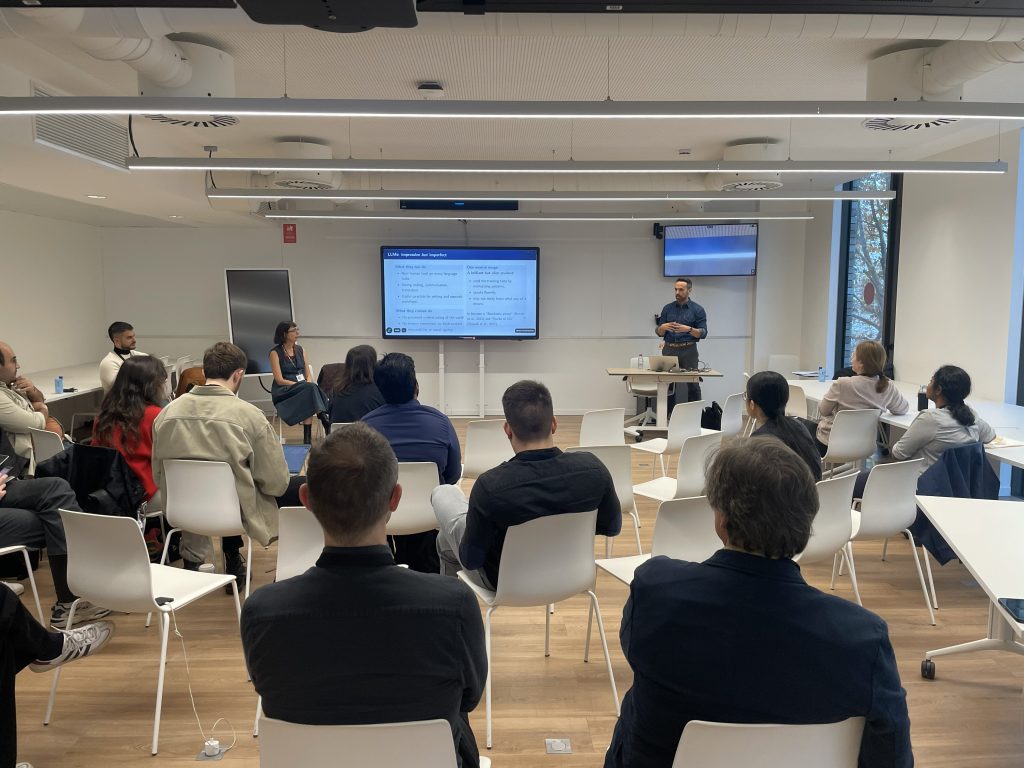
Later, Dana teamed up with Tristan Badham from RMIT Library to host a workshop dedicated to the use of AI in literature searching and research writing. This session explored questions of research ethics and integrity and connected fellows with RMIT resources and services designed to support students seeking to incorporate AI tools into their academic work. REDI fellow Shuxian Pan then moderated a Q&A session, affording fellows the opportunity to exchange ideas and wisdom about their own experiences with generative AI.
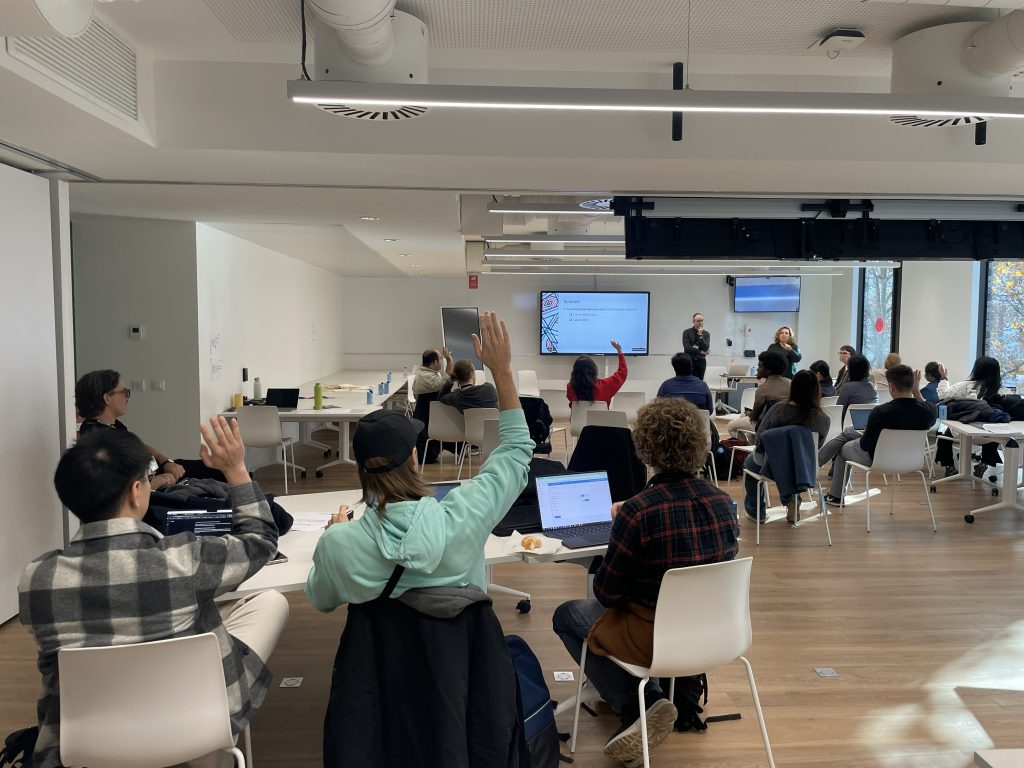
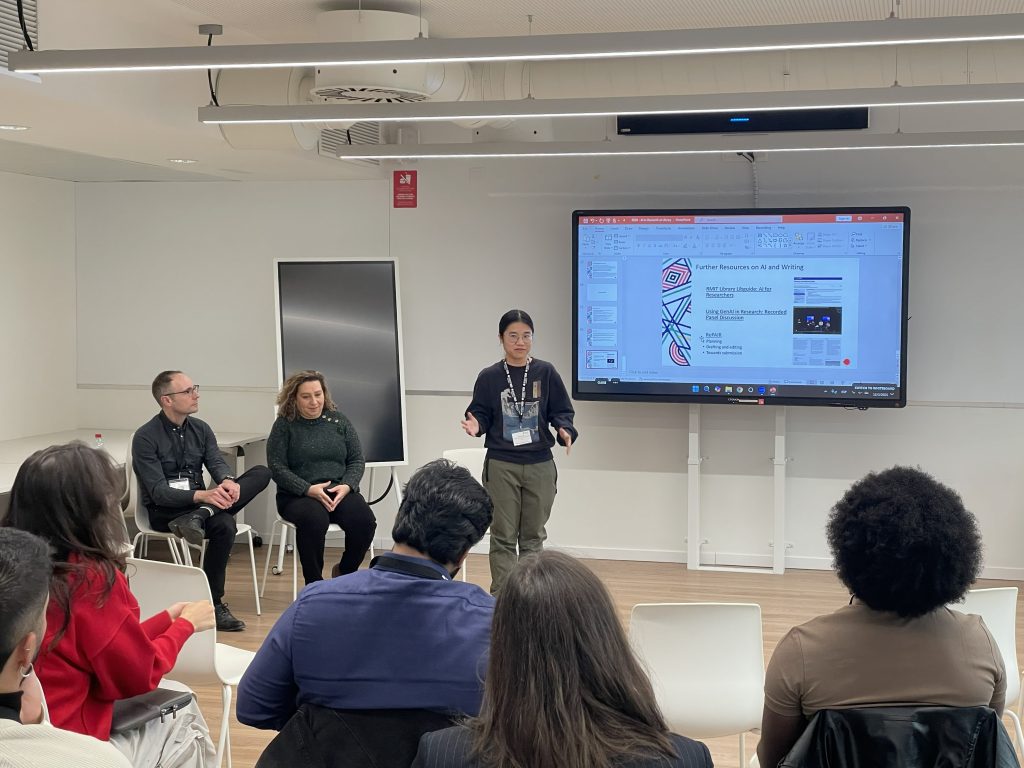
After lunch, Dana delivered a session about presenting at research conferences and the importance of disseminating research to specialist colleagues. Fellows learned about how to apply to relevant conferences, choose from different types of presentation formats, prepare and deliver an effective presentation and follow up on research publication opportunities.
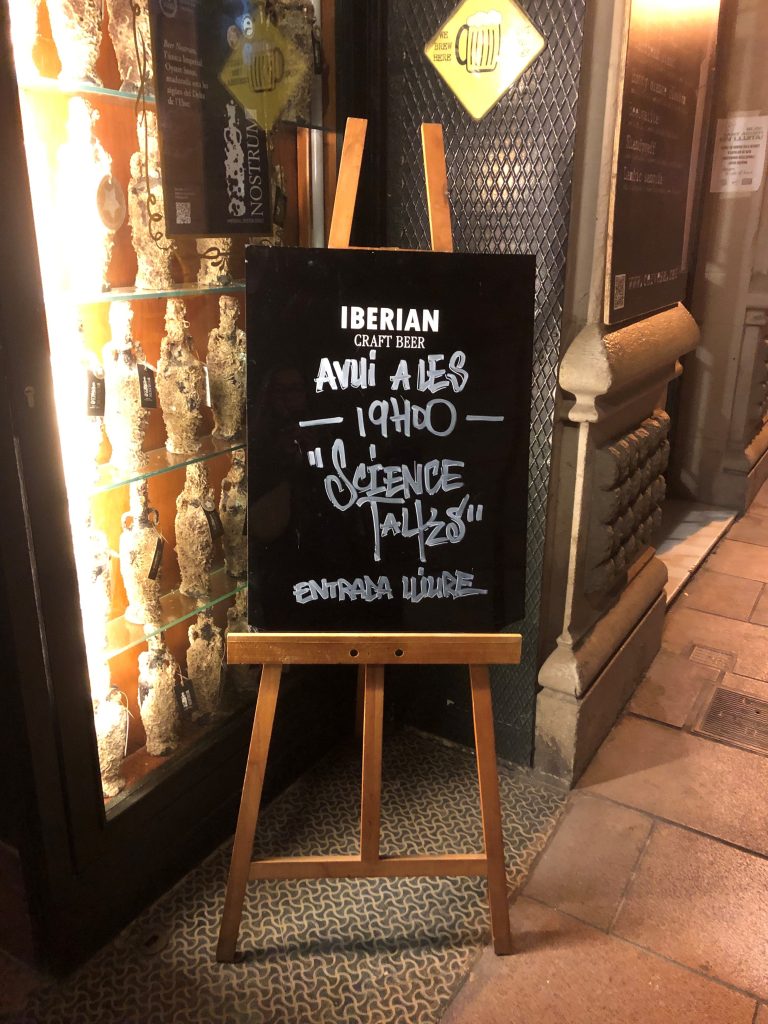
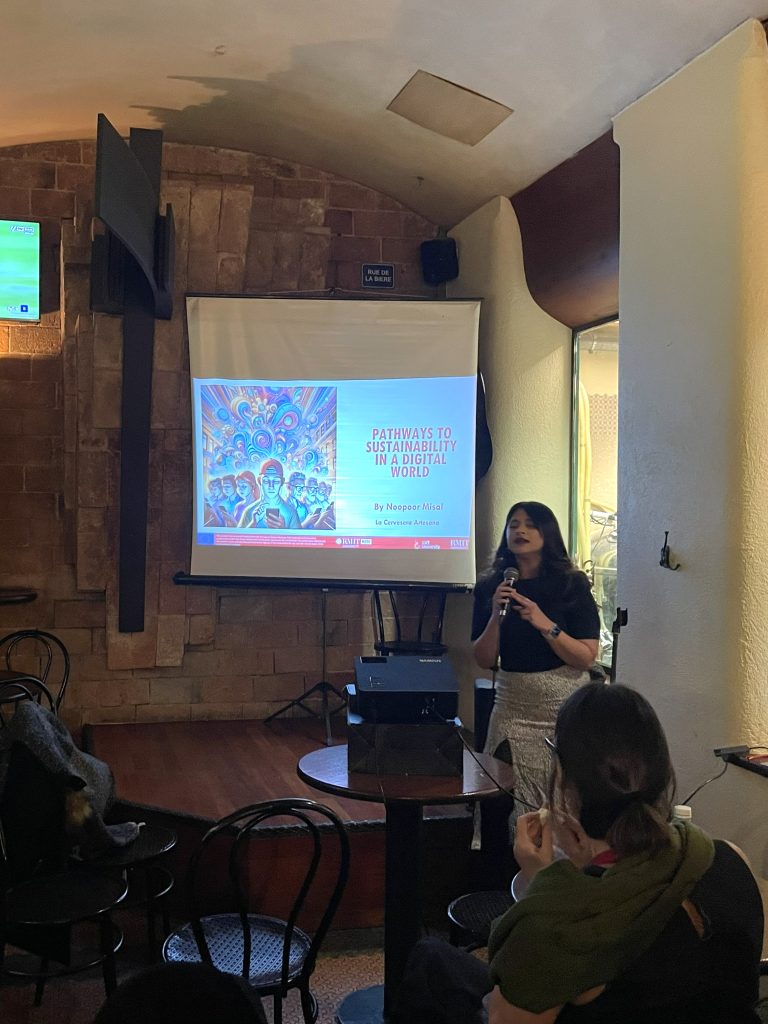
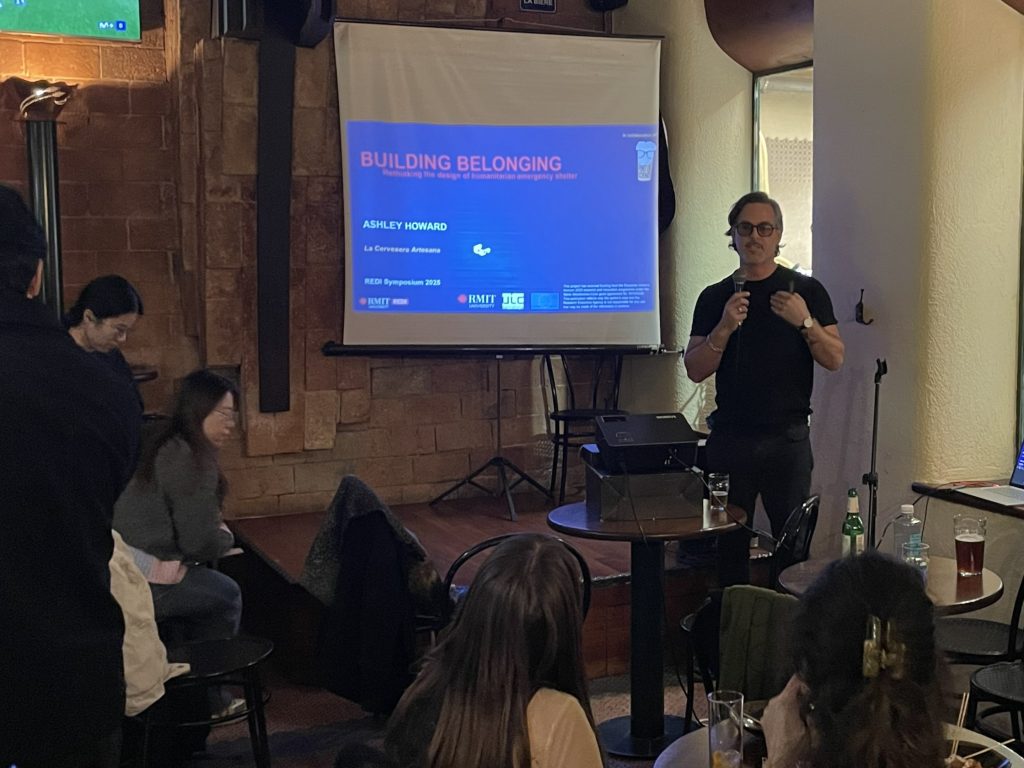
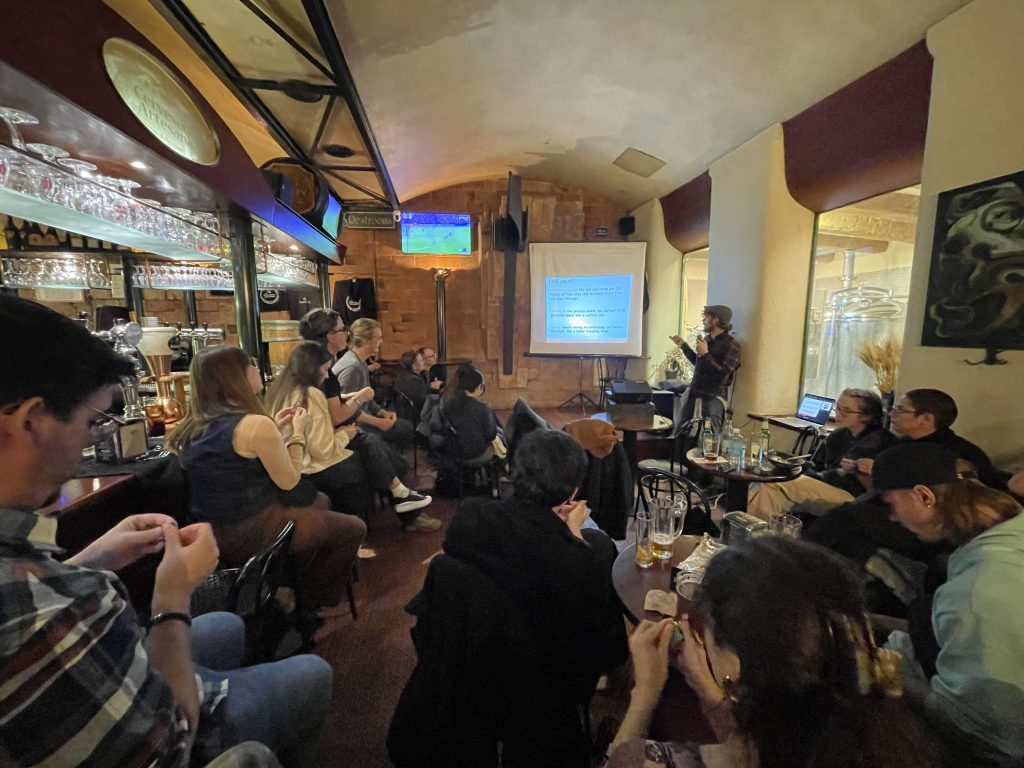
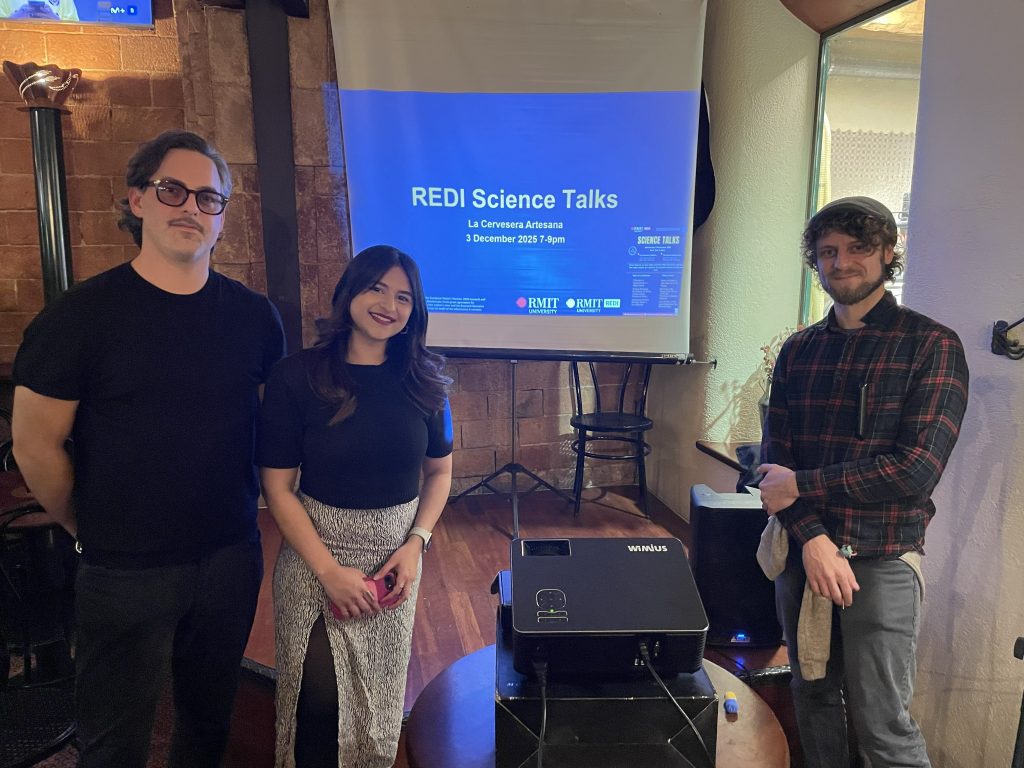
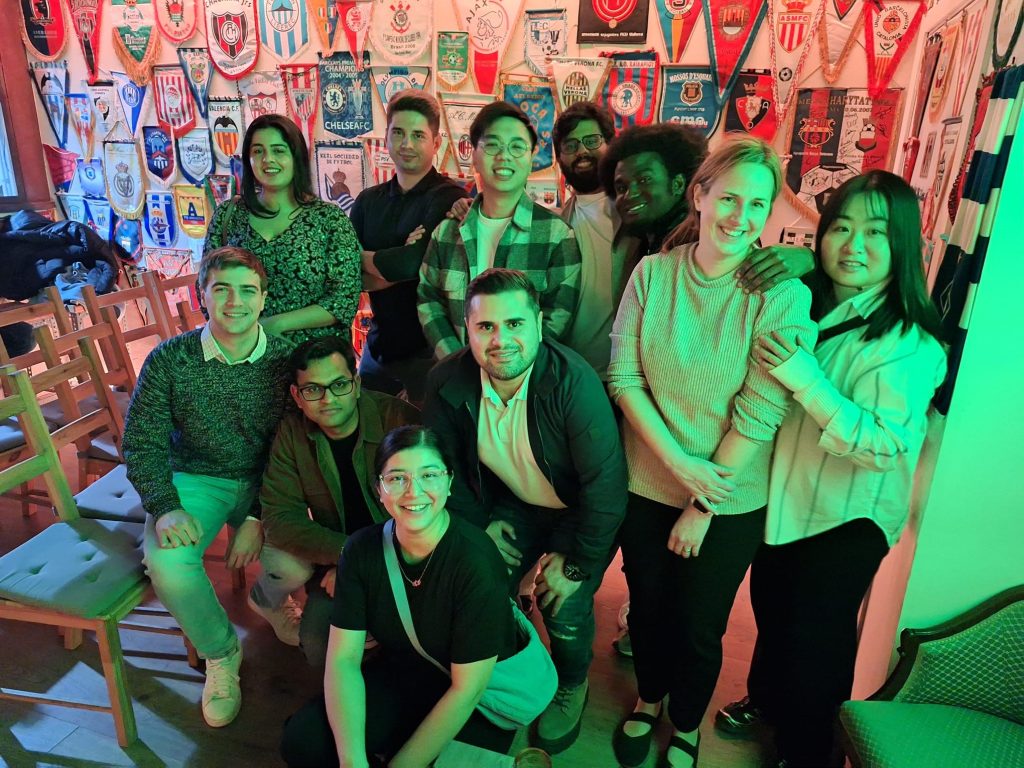
The day ended with the annual science talks, held in two bars in Barcelona: La Cervesera Artesana and Yuzu Brunch&Gastrobar. During the science talks, REDI researchers presented their work to a public audience.
In La Cervesera Artesana, fellows Noopoor Mishal, Ashley Howard and Stefano Ascione shared their work on topics including digital sustainability, humanitarian shelter and chaotic mixing.
In Yuzu Brunch&Gastrobar, Aezid Ul Hassan Najmi, Adam Biegański and Ananthakrishna Sajithkumar talked about their research on clean energy, photonics and metal powder production.
Audiences in both venues enjoyed the chance to ask questions and play with interactive materials which illustrated the researchers’ work. The event provided REDI researchers the opportunity to practise and hone their public presentation skills and explain specialist research to non-experts.
Day 4: PhD Career Day
The penultimate day of the Symposium was the PhD Career Day, a public event coordinated by the REDI Program, MSCA Spain-Portugal Chapter, MCAA and ACCIÓ. In spite of the grey weather, spirits were high as REDI fellows welcomed PhD candidates and recent graduates from across Barcelona and, in the case of online attendees, across the world!
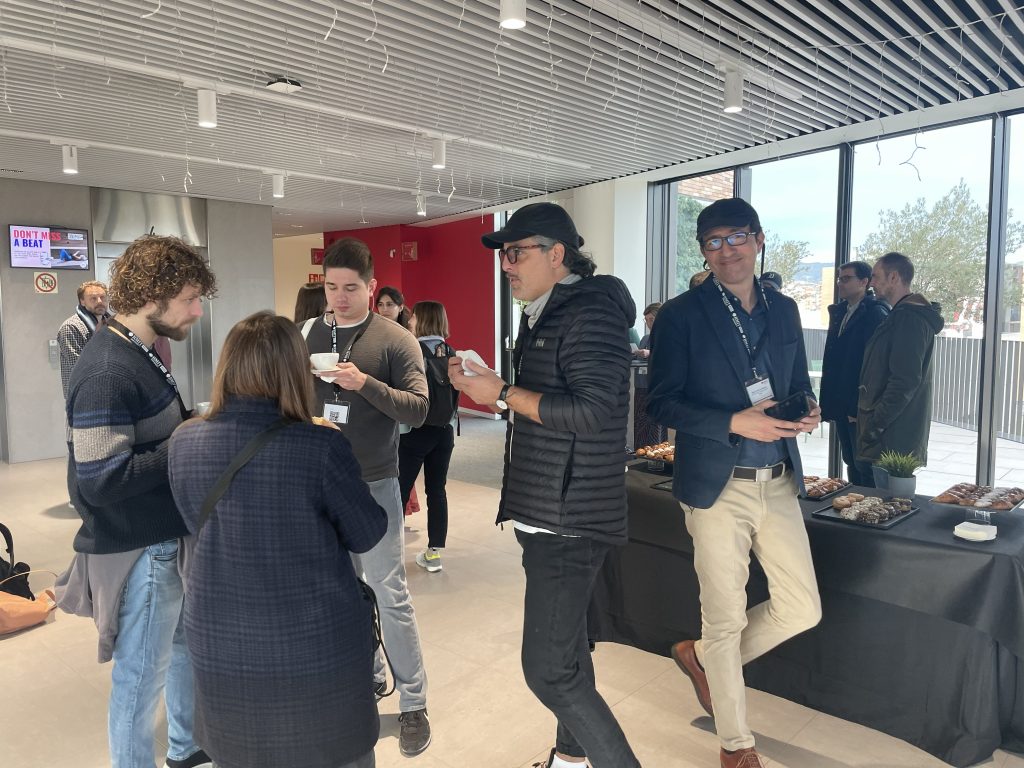
Participants met to exchange ideas and settle into the day’s sessions with a morning coffee in the TBS attic before Dr Clara Caminal, Senior Manager of the Research Projects Office at RMIT Europe, welcomed attendees with opening remarks.
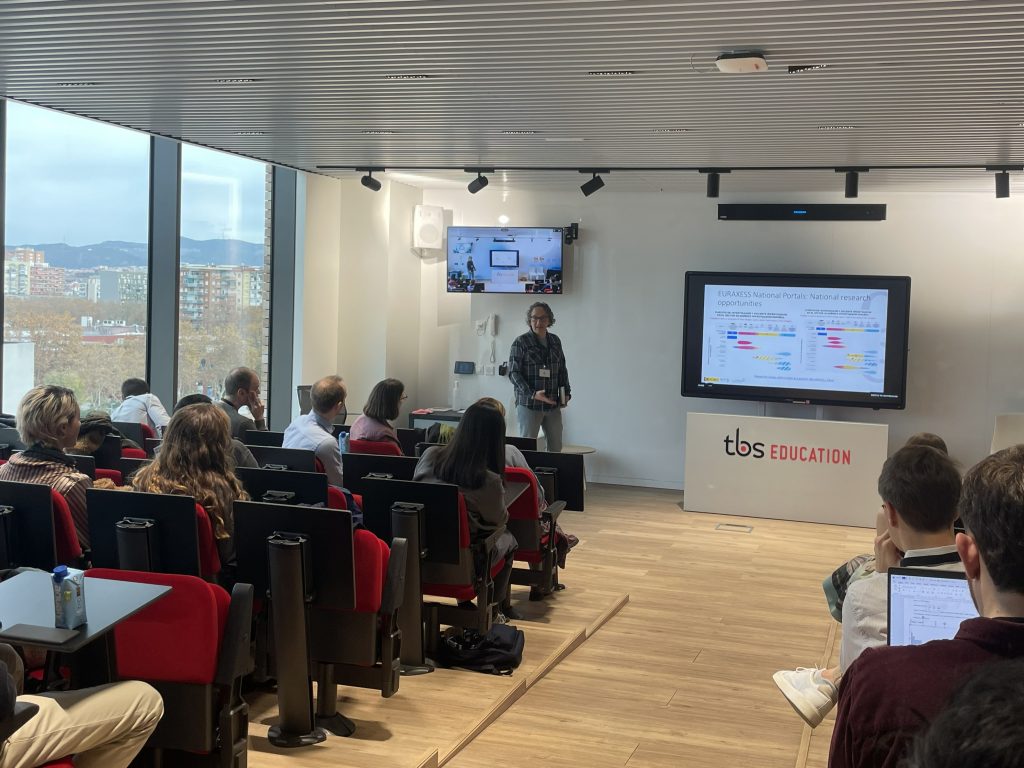
Afterwards, Dr Xavier Eekhout Chicharro, the MSCA Representative and National Contact Point for EURAXESS Spain, kicked off the day’s sessions with an overview of support services available to researchers via EURAXESS. His presentation focused on the various resources EURAXESS provides, including a network of postdoctoral fellowship opportunities.
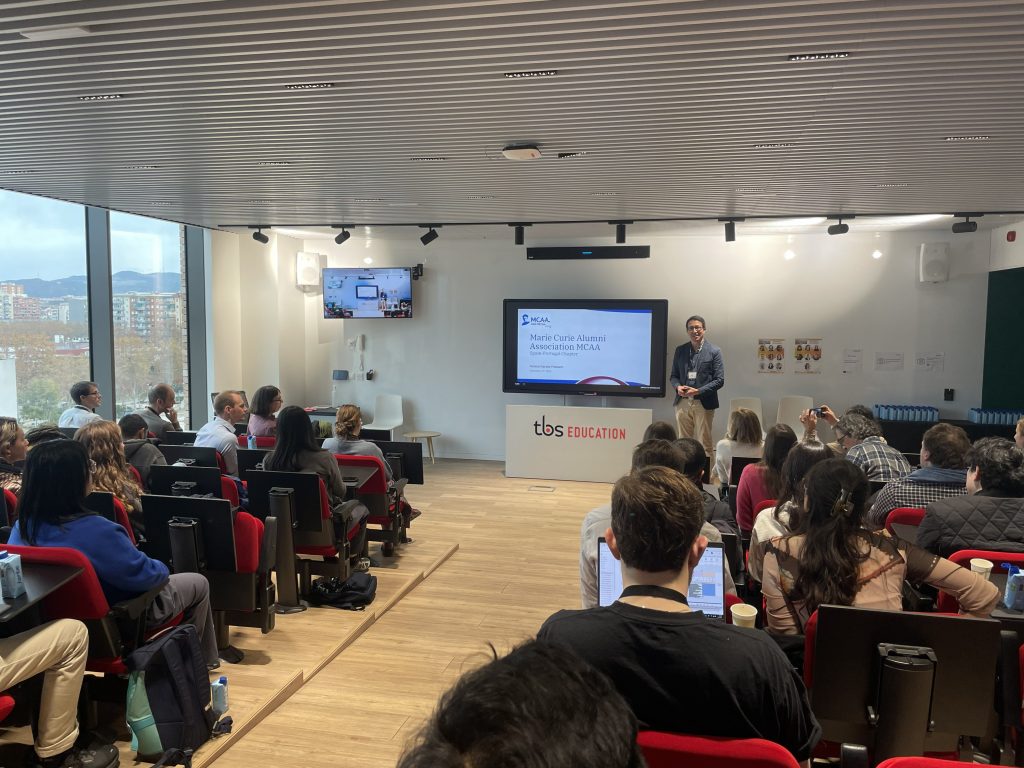
Participants then learned about the MCAA Spain-Portugal Chapter and the MCAA Bridging Science and Business Working Group, which provide support to researchers within the Iberian Peninsula and across Europe. Presenters in this session were Dr Nelson Garcia-Polanco, the Chair of the MCAA Spain-Portugal Chapter and Dr Murat Güneş, the Chair of the MCAA Bridging Science and Business Working Group.
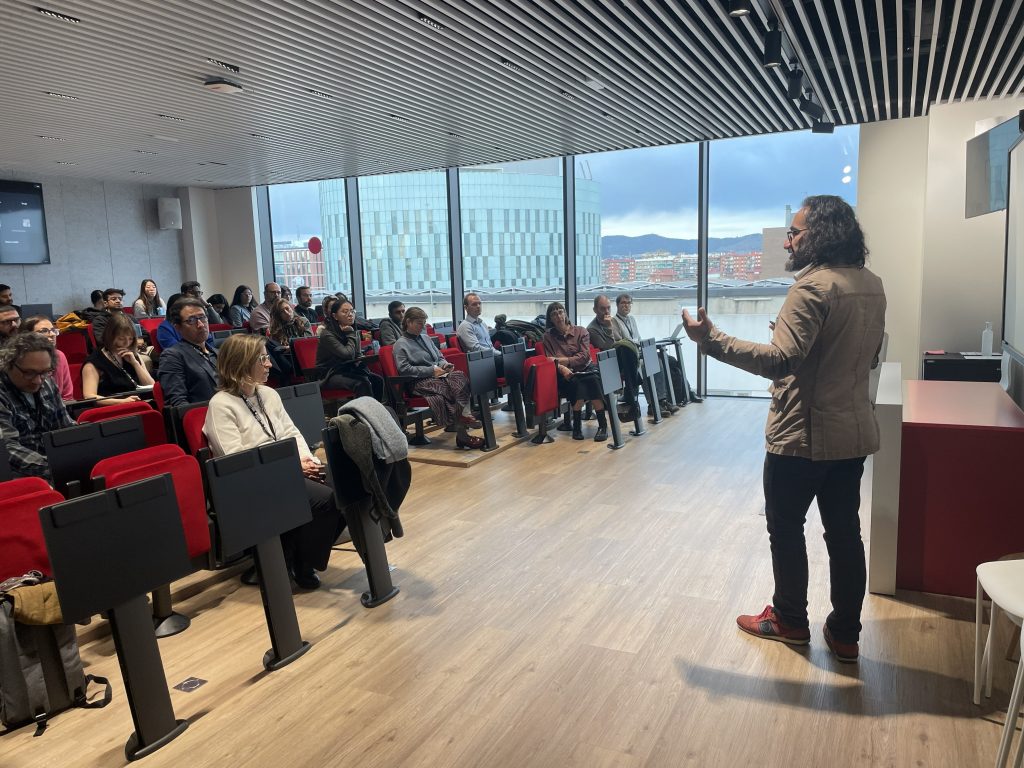
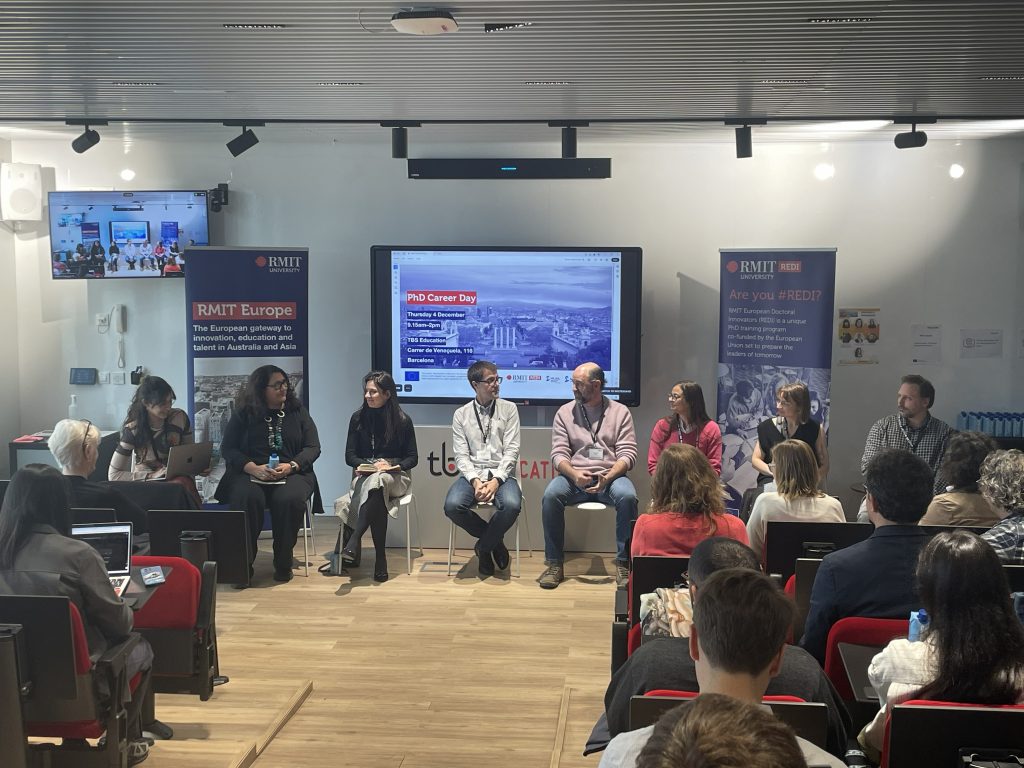
After a coffee break, during which REDI fellows were able to network with facilitators and other PhD candidates, participants gathered again for a roundtable discussion highlighting success stories after a PhD. REDI fellow Milica Božić facilitated the session, which featured seven speakers from across academia and industry. The diverse group of speakers reflected on their career paths, offering advice and guidance to the audience.
The panellists were:
- Dr Javier Adrián, European Affairs Manager, Agència per a la Competitivitat de l’Empresa, ACCIÓ
- Dr Michele Dei, Researcher, University of Pisa
- Dr Marta Fernandez, Executive Director, RMIT Europe
- Dr Dorota Komar, Head of Epigenetics and Biomarker Unit, Eurecat
- Dr Carmen Mendoza Arroyo, Associate Professor of Urban Design and Planning, Universitat Internacional de Catalunya
- Dr Maria Pin Nó, Science Communicator
- Dr Ignasi Sahún, Co-Founder and HR Lead, ZeClinics
On Thursday afternoon, the REDI community went mobile, travelling to the Museu de la Ciència CosmoCaixa Barcelona, where they enjoyed hands-on science exhibits and observed captive capybaras.
Day 5: Final farewells
On Friday, the REDI community gathered to say their goodbyes. The REDI4Research Group met to establish goals for the upcoming year, before REDI fellows joined for a workshop on the role of culture and cultural awareness in research. The workshop, designed by Laurene, saw Robyn conclude a week of extensive moderation and guidance for our REDI community. During the workshop, participants worked in small groups to discuss their own lived experiences, find commonalities and celebrate differences.
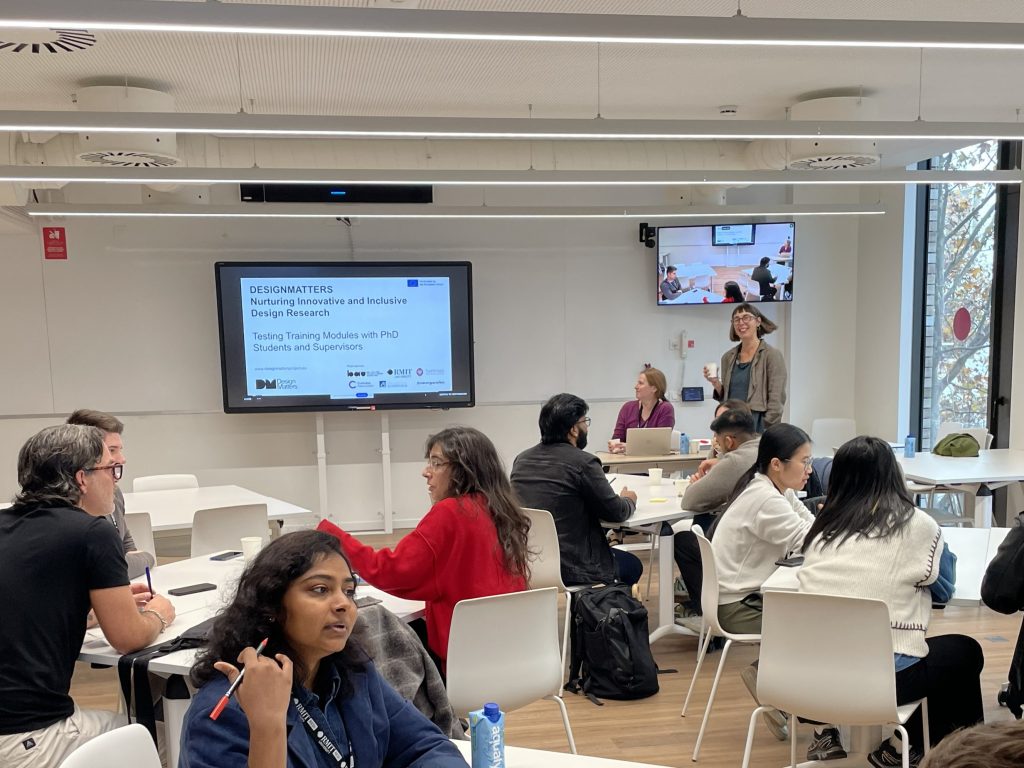
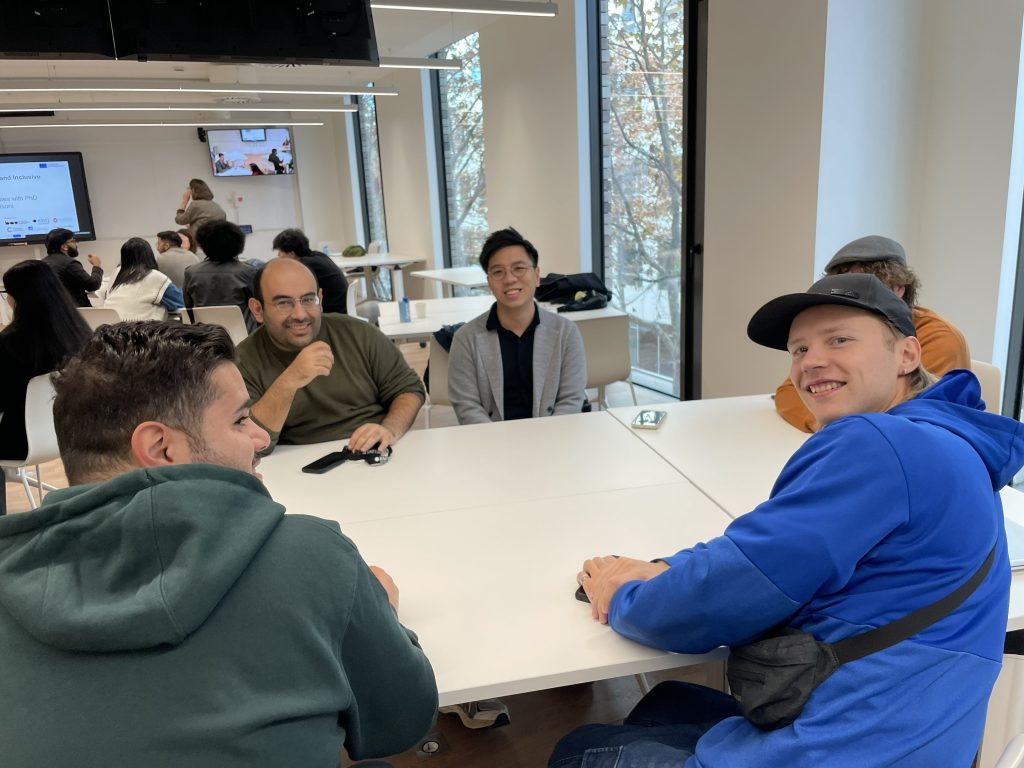
After a brief feedback session and Kinga’s closing remarks, REDI fellows shared a goodbye lunch and exchanged farewells.
We express our sincere gratitude to the facilitators, speakers, administrative staff and participants who made this week a success. We relished this time with the REDI community during the 2025 Symposium, and we eagerly await the final REDI Symposium in 2026.
Until then!